
Backlinks are one of the most important factors in SEO. When reputable websites link to your content, they help strengthen your domain authority, improve your backlink profile, and boost organic rankings.
While many websites use reciprocal links to exchange backlinks, direct swaps can sometimes appear unnatural. That’s why many SEO professionals prefer an ABC link exchange, also known as a three-way link exchange.
In this strategy, three websites link to each other indirectly instead of swapping links directly. This approach helps maintain a more natural link building strategy while still earning valuable contextual backlinks.
What Is an ABC Link Exchange?
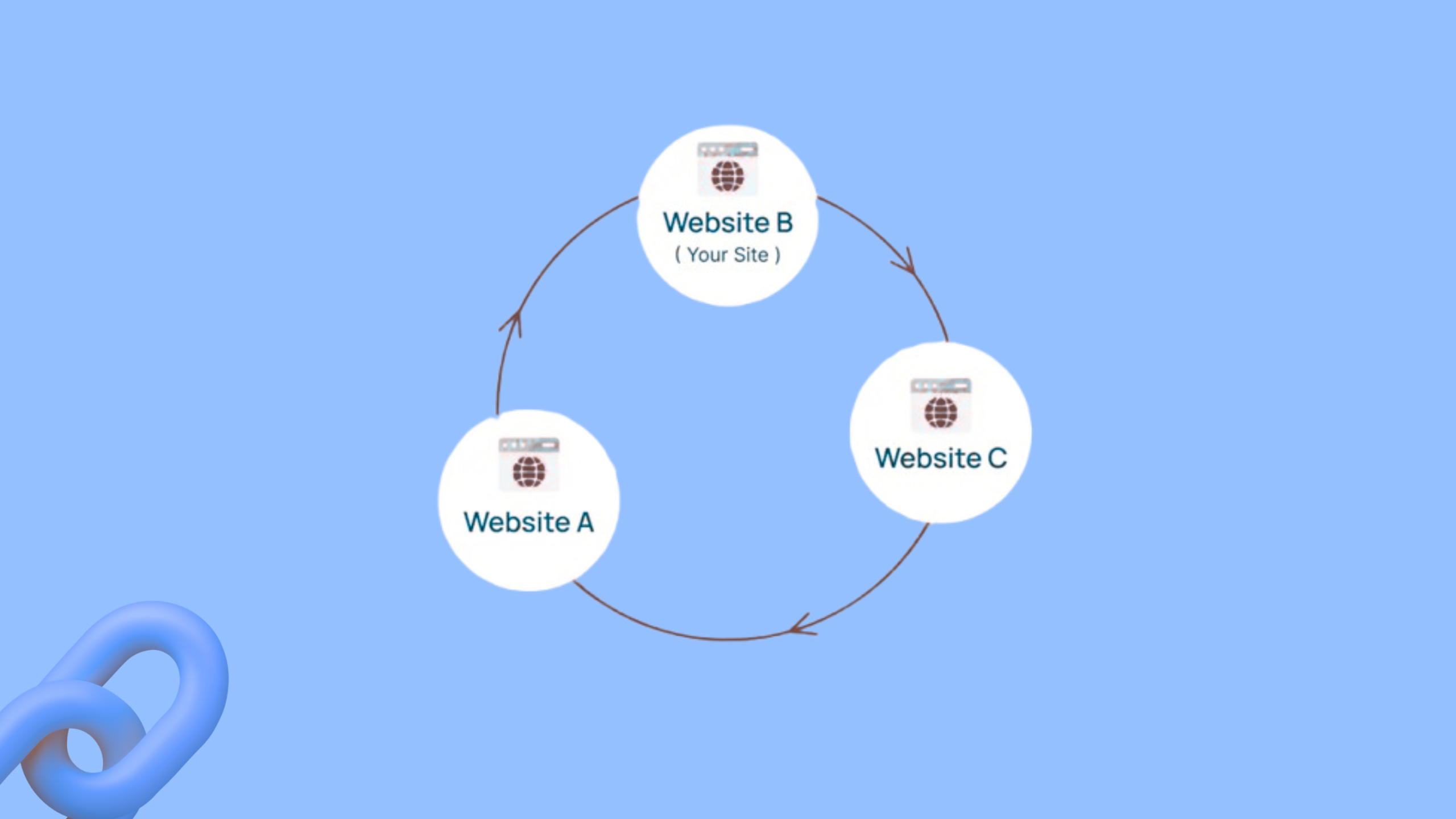
An ABC link exchange is a backlink exchange strategy where three different websites link to each other indirectly instead of swapping links directly. Because the links are not exchanged between the same two sites, this method is also known as a three-way link exchange.
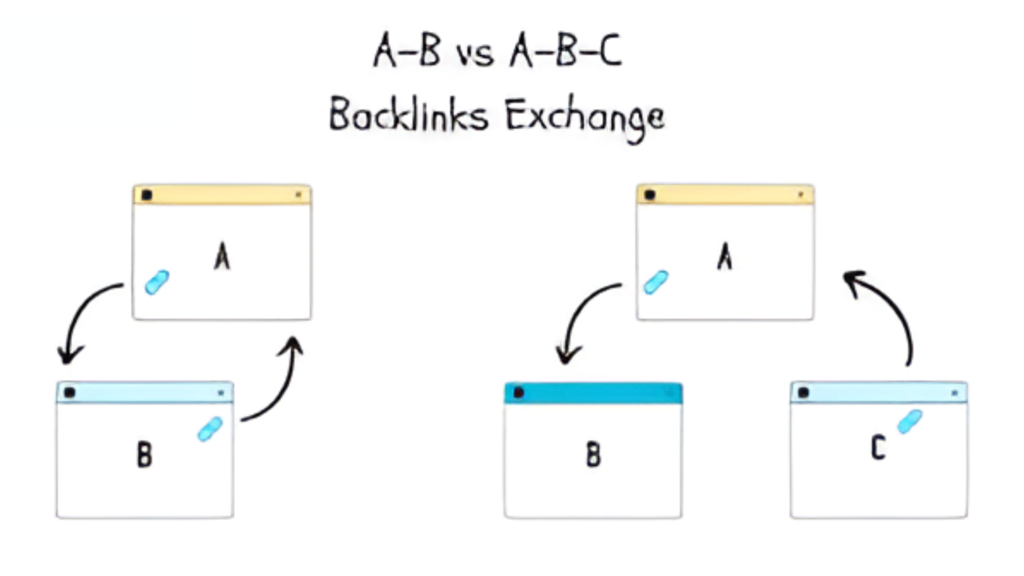
In a traditional reciprocal link exchange, two websites simply link to each other. While this can help both sites gain backlinks, it may create a clear reciprocal pattern if used too often.
An ABC link exchange works differently. Instead of linking back to the same site, a third website is involved in the exchange.
Example:
- Website A links to Website B
- Website B links to Website C
- Website C links to Website A
This structure allows each website to gain a contextual backlink while avoiding a direct link swap. As a result, the links appear more natural and help maintain a healthier backlink profile.
Because of this indirect linking pattern, many SEO professionals use ABC link exchanges as part of their broader link building strategy to acquire relevant backlinks while reducing obvious reciprocal signals.
ABC Link Exchange vs Direct Link Exchange
To understand why many SEO professionals prefer ABC link exchange, it’s helpful to compare it with a traditional direct link exchange.
Example table:
| Feature | Direct Link Exchange | ABC Link Exchange |
| Linking Pattern | A ↔ B (direct reciprocal) | A → B → C → A (indirect, three-way) |
| Detection by Search Engines | Easy to detect if overused | Harder to detect, appears natural |
| Link Profile Appearance | Can look manipulative | Appears more organic and natural |
| Link Equity Distribution | Limited, only between two sites | Better, circulates across three sites |
| SEO Risk | Higher if overused | Lower when done correctly |
| Recommended Use | Rare or occasional | Recommended for smarter link building |
Benefits of ABC Link Exchange
Using an ABC link exchange offers several advantages over traditional link swaps. When done correctly, it can strengthen your backlink profile and support a smarter link building strategy.
1. Reduces Direct Reciprocal Signals
Because the links are indirect, search engines find it harder to detect a clear reciprocal link pattern, making your backlinks appear more natural.
2. Builds Contextual Backlinks
Links are usually placed within articles, guest posts, or resource pages, which improves the relevance and value of each backlink. This helps increase domain authority and organic rankings.
3. Improves Link Juice Distribution
The circular linking structure allows link juice to flow among three websites, providing benefits to all participants without obvious direct swaps.
4. Encourages Collaboration
ABC exchanges often involve partnerships between bloggers, businesses, and content creators, helping expand your network and open opportunities for future link building.
5. Safer SEO Approach
When used with high-quality and relevant websites, an ABC link exchange reduces the risk of penalties compared to overused direct reciprocal links, making it a more search-engine-friendly backlink strategy.
💡 Tip: Focus on relevance, content quality, and moderation. ABC link exchanges work best as part of a diverse link building strategy, not the only method.
Risks of ABC Link Exchange
While ABC link exchanges can be a smart link building strategy, it’s important to understand the potential risks if not done carefully.
1. Google Link Scheme Policies
Excessive or unnatural link exchanges may violate Google’s guidelines. Sites caught in link schemes risk penalties or loss of link value.
2. Low-Quality Link Partners
Linking with irrelevant or spammy websites can harm your backlink profile and domain authority, even if the exchange is indirect.
3. Algorithmic Devaluation
If search engines detect unnatural linking patterns, they may ignore these links, providing no SEO benefit.
4. Overuse Creates Risk
Participating in too many ABC exchanges can eventually look manipulative, defeating the purpose of creating natural backlinks.
5. Poor Relevance
Even a three-way exchange loses value if the websites are unrelated. Relevance is key for contextual backlinks to impact SEO.
Best Practices for Safe ABC Link Exchanges
To maximize the benefits of ABC link exchanges while minimizing risks, follow these best practices:
1. Choose Relevant Websites
Work only with websites in your niche or closely related industries. Relevance ensures the backlinks are valuable and natural.
2. Focus on Content Quality
Place links contextually within high-quality articles, guest posts, or resource pages. Avoid adding links to low-value or unrelated content.
3. Limit the Number of Exchanges
Do not overuse ABC link exchanges. Keep them a small part of your backlink profile to maintain a natural linking pattern.
4. Monitor Your Links
Regularly check that links are live, placed in the correct context, and using appropriate anchor text. Track traffic impact and link performance.
5. Avoid Link Farms
Never exchange links with low-quality or spammy sites. Stick to trusted websites to protect your domain authority.
6. Combine With Other Strategies
ABC link exchanges work best as part of a diverse link building strategy that includes guest posting, broken link building, and high-quality content promotion.
💡 Tip: Moderation, relevance, and quality are the keys to making ABC link exchanges safe, effective, and beneficial for your SEO strategy.
Where to Find ABC Link Exchange Opportunities
Finding the right partners is crucial for a safe and effective ABC link exchange. Here are some practical ways to discover opportunities:
1. Outreach Emails
Contact bloggers, businesses, or website owners directly. Personalized emails explaining mutual benefits often lead to successful exchanges.
2. SEO and Marketing Communities
Join online communities where website owners connect, such as:
- LinkedIn groups focused on SEO and digital marketing
- SEO Slack or Discord communities
- Niche forums and content marketing networks
3. Guest Post Collaborations
Many ABC link exchanges happen through guest posting. Offer high-quality articles to other websites in exchange for contextual backlinks within their content.
4. Link Exchange Platforms
Some platforms specialize in connecting websites for safe three-way or multi-way link exchanges. Use them carefully and always check the quality of participating sites.
5. Networking with Industry Partners
Collaborate with partners, suppliers, or affiliates in your niche. Natural business relationships often make ABC link exchanges more authentic and safer for SEO.
ABC Link Exchange Example
To better understand how an ABC link exchange works, let’s look at a simple real‑world example.
Imagine three websites in the digital marketing niche that want to improve their backlink profile and gain contextual backlinks.
- Website A (SEO Blog) publishes an article and links to Website B (Email Marketing Tool).
- Website B later publishes a blog post and links to Website C (Content Marketing Agency).
- Website C then adds a contextual backlink to Website A in one of its articles.
In this setup, each website receives a backlink, but none of them link directly back to the same site. This creates an indirect three-way link exchange, allowing all three websites to benefit from additional link equity while maintaining a more natural link building strategy.
When these links are placed inside relevant, high‑quality content, the exchange can support stronger organic rankings and a healthier backlink profile.
Common Mistakes to Avoid in ABC Link Exchanges
Even though ABC link exchanges are effective, some mistakes can reduce their SEO value. Keep these in mind:
- Linking with Irrelevant Sites – Avoid exchanges with unrelated websites; relevance matters for contextual backlinks.
- Overusing Exact-Match Anchors – Use varied, natural anchor text instead of repeating the same keywords.
- Joining Large Link Networks – Large-scale networks or link farms increase the risk of being flagged.
- Ignoring Link Quality – Low-authority or spammy sites can harm your domain authority.
- Overusing Exchanges – Relying too much on ABC exchanges creates unnatural patterns; combine with other strategies.
Conclusion
An ABC link exchange is a smarter alternative to traditional reciprocal linking. By linking three websites indirectly, it creates a more natural backlink profile while providing valuable contextual backlinks.
Used with relevant, high-quality sites, it can boost domain authority, improve link equity, and support better organic rankings.
The key is moderation, relevance, and quality, and combining ABC exchanges with other strategies like guest posting or content marketing ensures sustainable SEO growth.